Staying safe while working out at home is super important. You don’t want injuries to sideline your fitness goals. Here are some tips to keep you on track and healthy.
First off, make sure your workout area is clear of clutter. You don’t need to trip over a shoe or a piece of furniture. Find a space where you can move freely. If you’re using equipment like weights or resistance bands, keep them organized when you’re not using them.
Always warm up before diving into your workout. A good warm-up gets your blood flowing and prepares your muscles. Just a few minutes of stretching or light movements can make a big difference. It helps you avoid strains and pulls, which are no fun!
Listen to your body. If something feels off or painful, that’s your cue to stop. Don’t push through the pain; injuries can take you out of the game for a long time. Modify exercises if you need to. There’s no shame in adapting workouts to fit your comfort level.
Finally, stay hydrated! Keep a water bottle nearby and drink plenty of water before, during, and after your workout. Dehydration can really mess with your performance and recovery. So, grab that bottle and keep sipping!
Avoid Common Home Gym Mistakes
Setting up a home gym is exciting, but it's easy to trip up on some basics. A few common mistakes can not only slow your progress but also lead to injuries. Let’s dive into what to watch out for so you can hit those fitness goals safely.
First off, don’t skip the warm-up. It might seem like a waste of time, but getting your muscles ready prevents injuries. Spend at least 5-10 minutes doing light cardio or dynamic stretches to increase blood flow. Your body will thank you later!
Next, watch your form. Poor technique can lead to injuries and reduce the effectiveness of your workouts. Take the time to learn the right way to do exercises. If you’re unsure about your form, there are plenty of videos online that can guide you. Remember, it’s better to do fewer reps correctly than a ton of reps poorly.
Also, pay attention to your workout space. Make sure it's tidy and has enough room for you to move around without hitting anything. Keep equipment organized to reduce trip hazards. Nobody wants to end up face-first on the floor during a casual workout!
Finally, listen to your body. If you feel pain or extreme fatigue, that's a sign to take a break. Pushing through the pain can result in long recovery times or worse. Stay in tune with how you're feeling, and adjust your workouts accordingly.
Create a Safe Exercise Space
Creating a safe exercise space at home is super important. You want to feel comfortable and focused while you work out, without worrying about tripping over stuff or bumping into furniture. Here are some tips to set up your space:
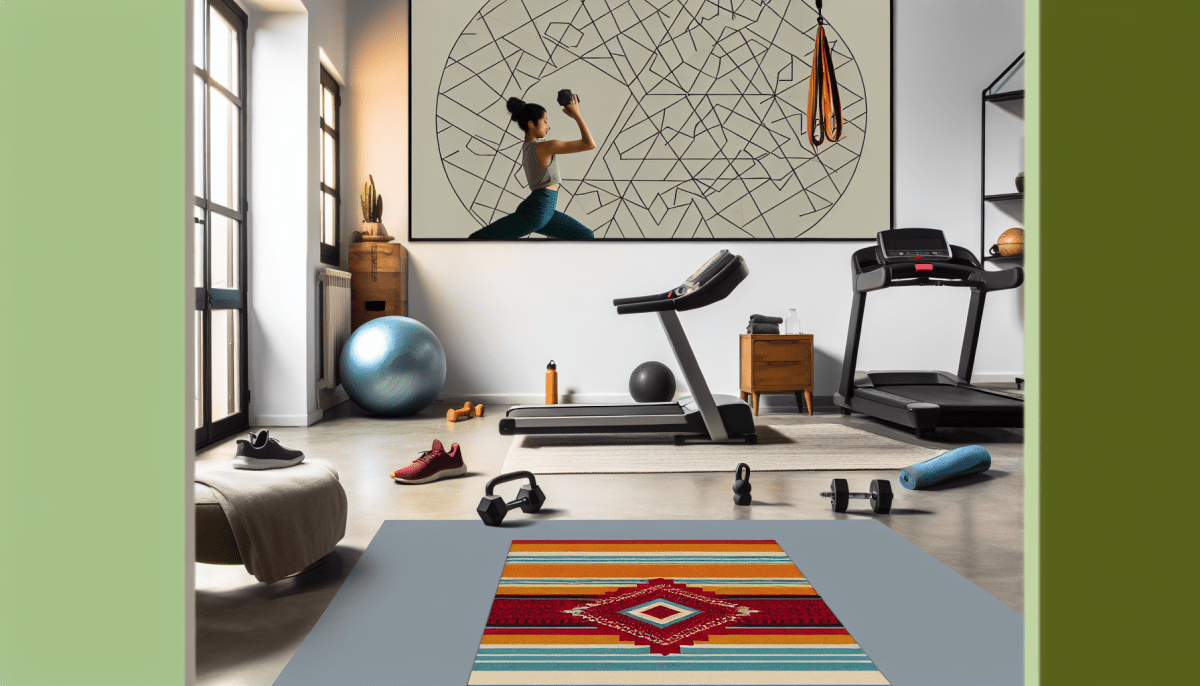
First things first, clear out the clutter. Make sure the area is free from shoes, cords, and anything else that might trip you up. It’s amazing how much easier it is to concentrate when you’ve got a tidy space. Aim for a spot that’s more open: think about how much room you need for stretches, lunges, or using equipment.
Next, consider the flooring. If you’ve got hardwood or tile, adding some mats can help prevent slips and give you a safer surface to move on. Exercise mats are great because they provide cushioning, and they’re easy to clean. Plus, they keep you from wearing out your floors!
Also, keep your equipment in check. If you have weights, bands, or other gear, store them neatly when you’re not using them. It’s easy to forget where you put those dumbbells and then step right on them during a workout. Using storage bins or shelves can keep everything organized.
Finally, think about lighting. Working out in a dark room isn’t the best idea. Make sure you’ve got plenty of light to see what you’re doing. If it’s possible, set up your space near a window. Natural light will keep you energized and alert!
Listen to Your Body While Exercising
Listening to your body while exercising is super important. It's your body's way of communicating with you. If something doesn’t feel right, like a sharp pain or excessive fatigue, don’t ignore it. Just like how you'd pause a movie if the plot gets confusing, stop your workout if you feel off. Remember, pushing through pain may lead to injuries.
Pay attention to how your body feels during different exercises. Are you feeling strong and energized, or does everything feel like a struggle? If you’re constantly exhausted or sore, it might be a good idea to adjust your routine. Maybe that means lowering your weight, taking more breaks, or trying out a different exercise altogether.
Hydration and proper nutrition can also play a huge role in how your body feels. If you feel sluggish, consider grabbing a snack or drinking some water. Staying fueled and hydrated can make a world of difference during your workouts.
Lastly, remember that rest days are part of a solid workout plan. Giving your body a chance to recover helps you come back stronger next time. Don’t feel guilty about taking a day off; your muscles will thank you for it! Listening to your body will help you stay safe and make working out a positive experience.